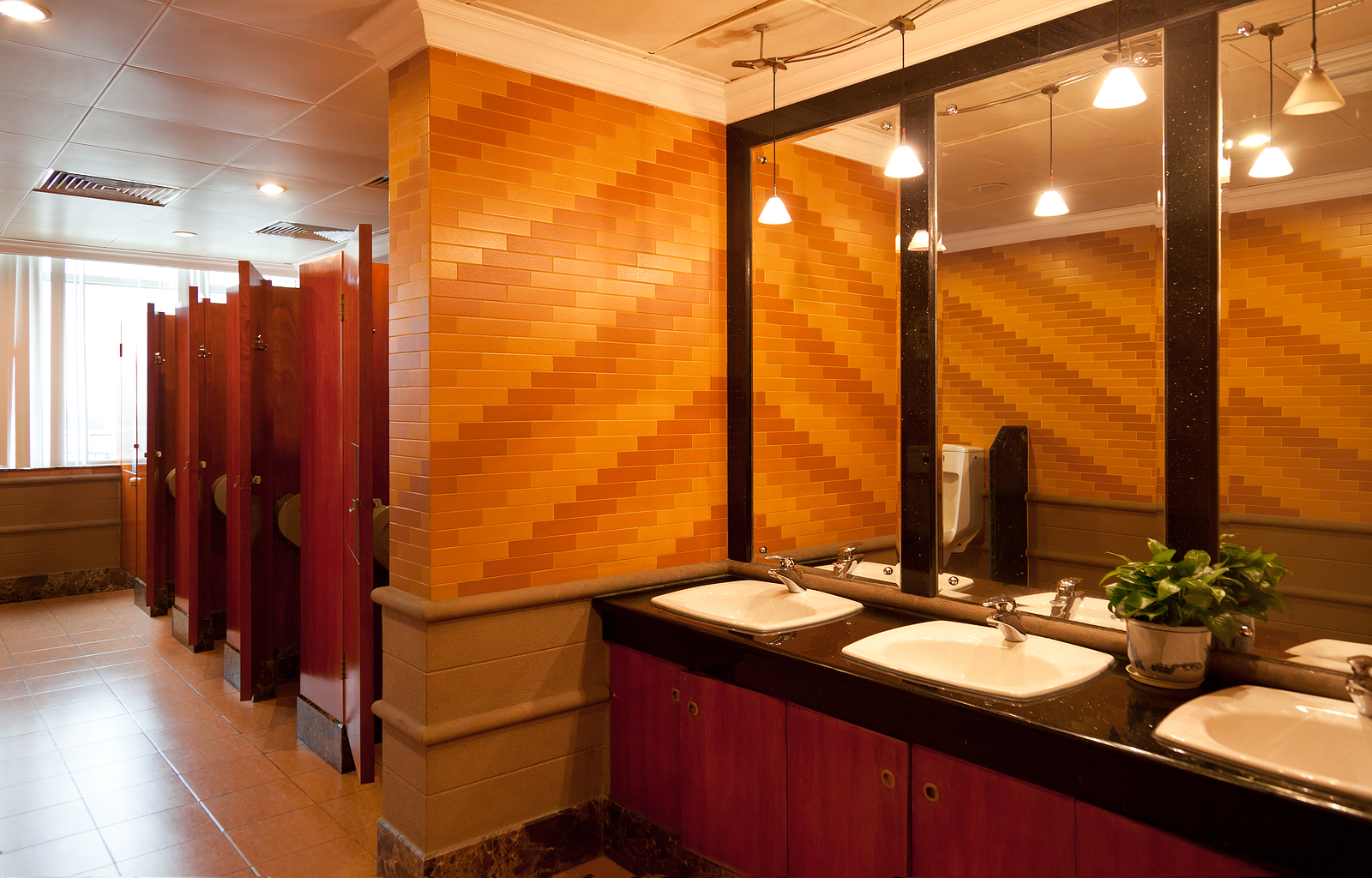

There was a time when it would have been easy for anyone needing to make use of a public washroom to do so. Public toilet cubicles were never far away, be they in town and city centres, parks, on seafronts or at transport hubs.
However, much has changed.
- Squeezed council budgets have compelled decision makers to make tough decisions.
- The cost of maintenance has added to this pressure as growing antisocial behaviour has meant that many public facilities have been regularly targeted.
- A consequence of this has been a decline in the availability of such facilities
However, public demand has pushed back. Councillors will regularly get lobbied over the issue.
Without this, it could be that toilets will be closed down and never opened again. Sometimes that does happen: one former public toilet in Glasgow may even be converted into a holiday home instead of being reverted to its former use.
How Glaswegians who might otherwise make use of such facilities feel is not known, but in Bristol, the local populace has been very firm in their view that the closure of eight public toilets across the city six years ago was a terrible idea and one that should be reversed.
Why Might Bristol Be Getting Its Public Washrooms Back?
As Bristol Live reported, there has been a positive welcome for an amendment to the city council’s budget, stating that it will “invest in the work needed to put us on the path towards reopening public toilets”.
The budget, with this and other amendments, will be voted on next month. However, as Bristol Live revealed, the feedback from its readers reveals a strong consensus that they should never have been closed in the first place.
One reader said: “Great idea to reopen/create public toilets again. They are a sign of a civilised and developed society. They are needed. They should never have been closed. “
Others expressed the hope that the £270,000 proposed for the work should be increased, while there was concern that some of the sites might have been redeveloped. Whether that has included any cases of them becoming holiday lets like the one in Glasgow is unknown.
The point about the provision of such facilities being a sign of civilisation may be a particularly important one. As the article noted, the closure of so many Bristol toilets led to more public urination.
Indeed, it might be mused that if vandalism and other antisocial behaviour in and around such facilities were used to justify closures, the actual effect has been to force otherwise well-behaved people to act in an antisocial way because they have nowhere to go.
Are Public Washrooms A Matter Of Social Inclusion?
The importance of public washrooms as a social good has perhaps been taken to new heights in an unusual London tour. While some tours might show visitors famous buildings or statues of historical figures, the Loo Tour focuses firmly on public conveniences.
As an article in SW Londoner explains, this tour began in 2013 and was started by Rachel Cole-Wilkin from California, who found one aspect of London life not to her taste was the unfamiliar requirement of paying to use the facilities.
Now, armed with a plunger, guides take people on two-hour tours of central London from Waterloo Station to Charing Cross, which reveal not only which loos are still free to use, but also highlight instances of former washrooms now used for other purposes, such as bars.
As well as revealing the history of central London’s public loos, the oldest of which date back to Victorian times, the tour emphasises and raises awareness of just how important they are.
Tour guide Charo Havermans stated: “Toilets are something everyone needs, but not everyone can easily access. That’s really exacerbated certain inequalities.”
Who Needs Public Washrooms The Most?
This highlights once again the sense that public washrooms are not mere public conveniences, but means of guarding against public exclusion. There are many specific cases in point:
- Those with medical conditions who need to use the facilities more than most
- People with limited mobility who will struggle if the nearest washroom is not close by
- Those on low incomes who cannot afford to use facilities where there is an obligation to be a paying customer, such as a pub or café
The value of public washrooms and the need for local authorities to provide reliable, hygienic and well-maintained facilities seems clear, even allowing for the pressures on budgets and the scourge of anti-social behaviour. It may be that not providing them is itself anti-social.
Some former washrooms may have found new uses as bars or are about to become holiday lets. But if closed washrooms cannot be restored to their former purpose, it seems that replacing them with new ones is a priority that will chime with the public mood.
Related Posts