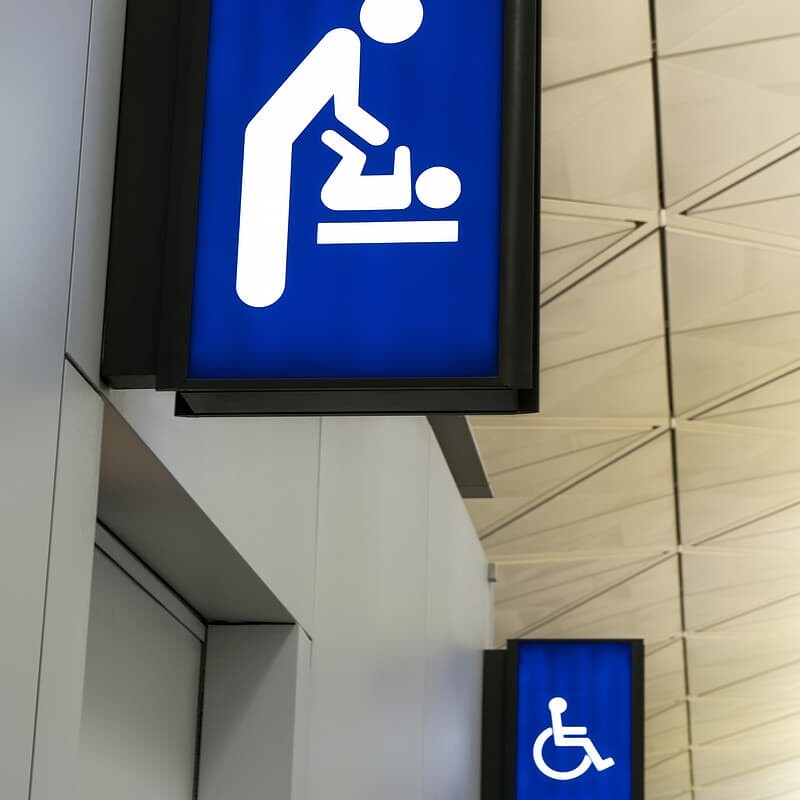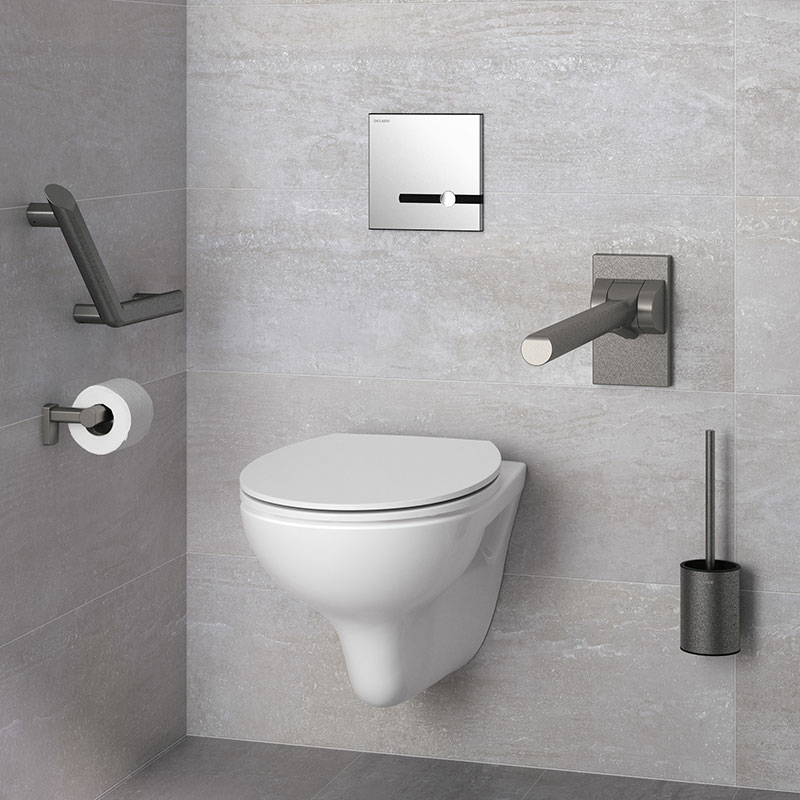

There is seldom a day that goes by which lacks a call from a local community group or public body to stop public washrooms from being closed, which speaks volumes about their importance and contributions to the areas that they serve.
Everywhere, from seaside resorts lacking public washrooms to historic toilet blocks, there has been debate and discussion about the availability of public toilets and a desire from people in the local community to see them remain open.
There is a strong case to add more public toilet cubicles or at least restore the thousands of washrooms that have been closed and have had a deleterious effect on the communities around them.
According to the Centre for Public Infrastructure, a quarter of public washrooms had closed, and the amount of money that local authorities spend on them has halved, causing distress and a loss of access to public areas for millions of people as a consequence.
Whilst there have been calls to make them a statutory duty and require local authorities to invest in public washrooms, given the public good they cause, there is also a case that they provide benefits to individuals, communities and businesses.
Here are the reasons why, and some ways in which businesses and local authorities can take full advantage.
Why Do Public Washrooms Matter?
As The British Journal of Nursing notes, public toilets fulfil one of humanity’s most basic human needs; we all need a private, hygienic space to relieve ourselves, keep clean and change hygiene products.
Without public washrooms, our ability to participate in society is limited by our ability to hold it in until we can reach a washroom. This concept, known as the “loo leash” in academia, is a limiting factor in ensuring people can go to the shops, attend community events and even participate in society.
Much of this is self-evident; the laws which dictate that workplaces and venues which serve food and drinks need to have a publicly accessible washroom are in place because these needs are clear and have been for over a century.
How Are Public Washrooms Good For Business?
Whilst the moral and community case for public washrooms is clear, what was often missed during the period of austerity, when a quarter of public toilets simply ceased to be, is the business case and how public toilet provision had a net financial benefit.
In commercial settings, there is a strong correlation between access to accessible and clean public toilets and customer satisfaction, as well as nearby spending trends.
Not only does access to accessible washrooms enable people who have greater toilet needs to comfortably stay in the area for far longer. Customers who feel happy and comfortable stay out longer, and customers who stay out longer tend to spend more money.
This is not necessary due to people buying a product or menu item to use the shop’s toilets, but people who have entered a location with free, clean public toilets feel happier and motivated to continue their day, which can involve increased spending, a trip to a restaurant or buying food from nearby street vendors.
Beyond this, more public washrooms and greater awareness of the facilities that are available will lead to busier and more vibrant public spaces, which in turn also draw more customers in a virtuous cycle.
What Can Be Done To Improve Access To Public Washrooms?
Following several decades of decline when local authorities cut spending because they were not obligated, the tide is beginning to shift as the damage caused by a lack of public washroom provision is being noted.
Whilst the most effective solution would be to make it a statutory duty and establish clear, ringfenced funding for public washrooms, there are alternative solutions that have been suggested by organisations such as the CFPI.
Here are some potential options that can help mitigate some of the concerns caused by a lack of washrooms.
Clearly Signpost Existing Public Washrooms
As well as improving provision, making it clear where public washrooms are and clearly signposting them can be critical for vulnerable people with urgent needs.
This can include maps and apps which show where they are within the city centre, as well as clear signposting for toilets that are not clearly visible at street level.
Lengthen Opening Hours
Some public washrooms close early, creating a curfew for people who require urgent access. Lengthening opening hours will ensure people enjoy public spaces during the evening and avoid problems with people relieving themselves on the street.
Community Toilet Schemes
Whilst not a complete solution, some local authorities collaborate with and incentivise local businesses to open their washrooms to non-customers.
Related Posts