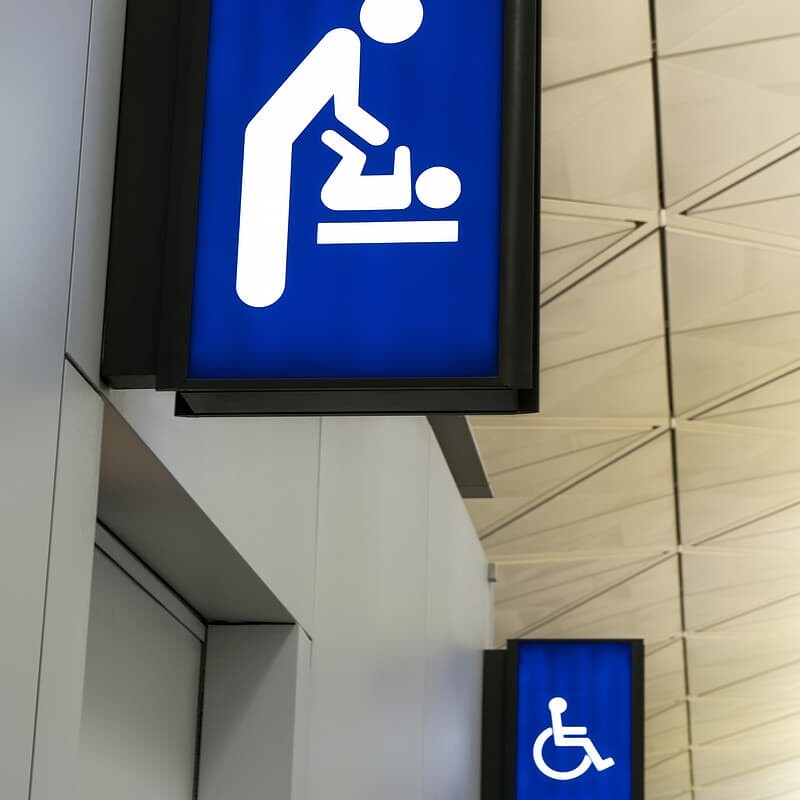

The provision of public washrooms has been a big issue in recent times, amid a series of surveys showing that they have become less common across the UK, especially in England. But one area where this may be a particular concern is in popular tourist areas.
As well as providing fewer facilities for residents to use, their scarcity may deter visitors, with major negative consequences for the local economy, especially that section most directly geared towards tourism.
In addition to greatly inconveniencing some people, it could also encourage public fouling and urination, creating the kind of unpleasant environment and negative reputation that tourism authorities will dread. This is true for coastal towns and rural areas alike.
In national parks, the concern is particularly great because of the greater diversity of users. In cities, the environment is urban. In seaside towns, the focal point is the beach, but in national parks, there is more variation in activity.
What Makes Washrooms Truly Accessible?
This means that while there may be very fit and active people doing long walks or climbing hills, there may be others who come just to rest, enjoy the scenery or explore museums. This widens the washroom needs.
Either way, the need for accessible washrooms is important if those with disabilities are to enjoy their trips.
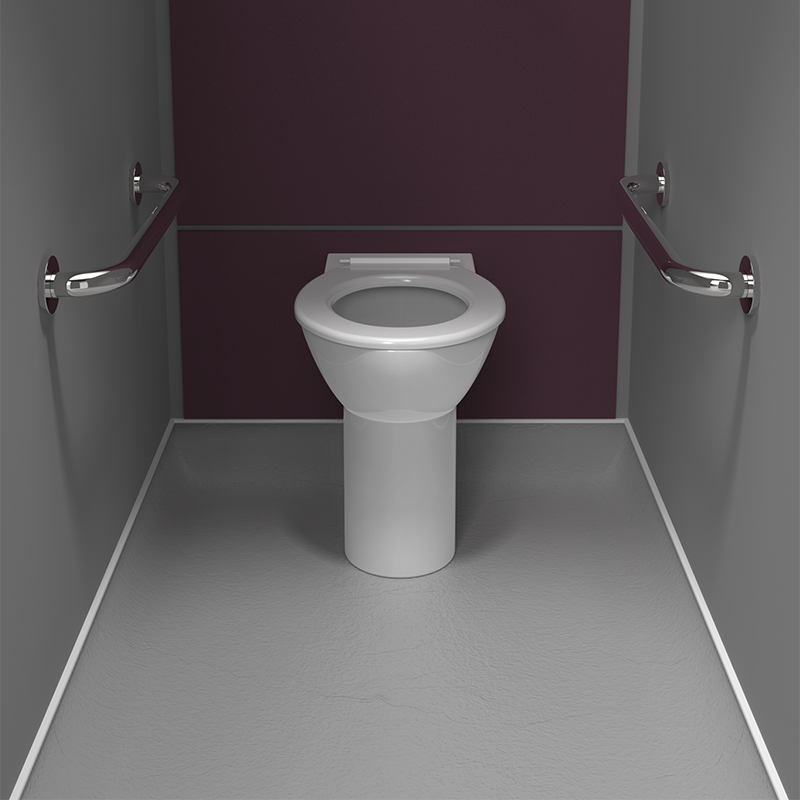
The sort of things these will need will include:
- Dedicated disabled facilities
- Wider doors for wheelchair access, as well as an entrance ramp
- Hand towels and dispensers are situated lower down so they can be reached from a seating position
- Ambulant toilet grab rails
How Has The Visitor Centre In Malham Taken Accessible Washrooms To A New Level?
There are some good examples of extra care being taken with provision, such as new accessible facilities in a visitor centre in the Yorkshire Dales.
Reopened last month after a refurbishment, the Malham National Park Visitor Centre provides toilets that are open even when the centre itself is not. However, of particular interest to some may be the provision of a ‘Changing Places’ washroom.
The national park authority described this as “a step up from a standard disabled toilet”.
It has “extra equipment and space” to aid “people with profound learning disabilities, as well as people with physical disabilities such as spinal injuries, muscular dystrophy and multiple sclerosis.”
This kind of far-sighted approach may be especially valuable, not only for the individuals who use it, but also for their families who may come to the area and enjoy it in different ways.
Malham is well known for its geological features, many of which can be easily accessed by wheelchairs, in contrast with the mountainous elements of the national park such as the ‘three peaks’ of Whernside, Ingleborough and Pen-y-Ghent.
Of course, good washroom facilities will be appreciated by more mobile and active people too.
What Role Do National Park Authorities Have In Accessible Washroom Provision?
To help with this, national park authorities in places like the Lake District and Peak District take responsibility for providing public facilities, especially in popular tourist towns and villages.
A few are located in remote spots popular with walkers, with examples in the Lake District including Longsleddale and Seatoller, where many Wainwright-bagging hillwalkers may make use of them.
While many charge for entry, this does help pay for their upkeep and wider conservation work. That money could also be used to help ensure that accessible washroom provision is of a high standard.
At Malham, visitors can also hire all-terrain wheelchairs, so it is clear that a big effort is being made to meet the needs of disabled visitors.
There are places in the Lake District where this needs to be a priority too, such as public washrooms in and around Keswick.
This area has many highly accessible attractions for the disabled, with wheelchair access to the banks of Derwent Water, the old railway path to Threlkeld and even up to the summit of Latrigg, one of the ‘Wainwright’ fells.
If you are responsible for the provision of public facilities in any location, meeting the needs of all users, not just those who are able-bodied, needs to be considered.
In popular tourist areas, there is an obvious need for abundant provision for children and able-bodied users of all ages, but the importance of offering more to disabled visitors is being increasingly recognised and cannot be ignored.
Why Is Access Not Just About The Right To Roam?
This year marks 75 since the first national parks in Britain were founded, starting with the Peak District in 1951. This national park had been famous for the 1932 Mass Trespass on Kinder Scout, part of a wider campaign for more public access to the countryside.
That access is now very substantial, even more so after the Countryside and Rights of Way Act 2000. But by ensuring that accessible washrooms are provided, you can help to guarantee that this is for everyone, not just those who can climb the hills.
Related Posts