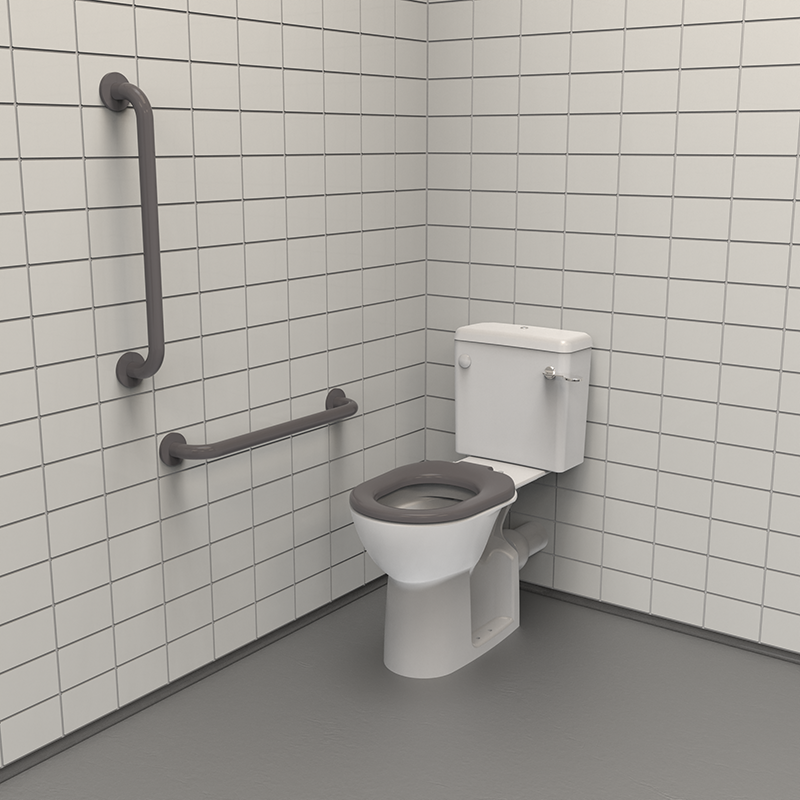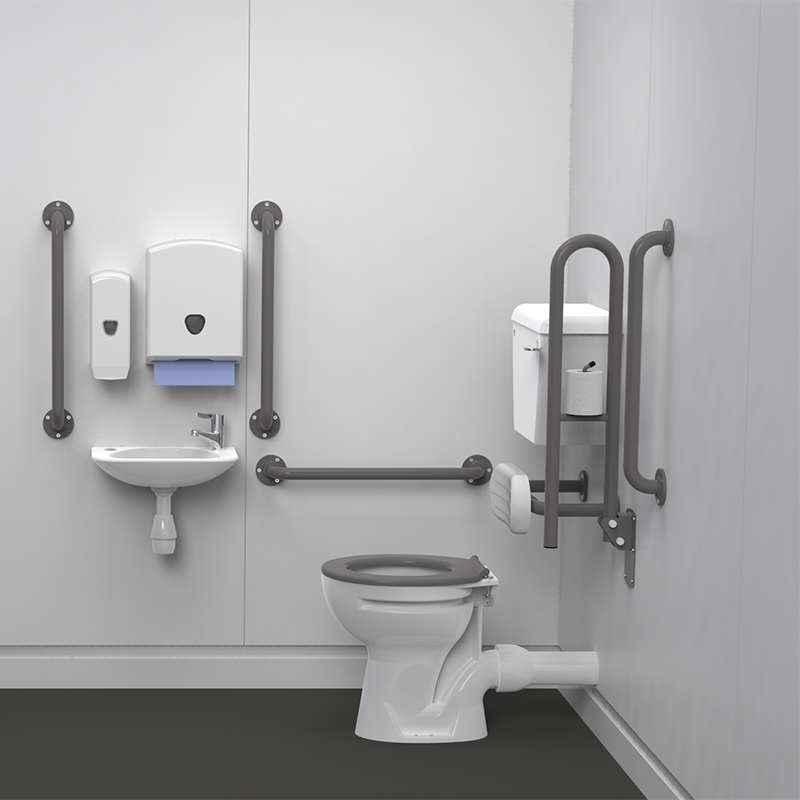

One of the most fundamental needs people have when they are visiting a place of business, a public square or a town is a washroom where they can comfortably and hygienically go to the toilet.
According to medical advice, most people need to relieve themselves around six times a day on average, but it can vary between four and ten times depending on their diet, fluid intake and lifestyle.
Because people use a washroom so often, they need to ensure that there are suitable, clean, functioning facilities nearby, and a lack of toilet cubicles can have a remarkably outsized reputational impact on a business.
The picturesque coastal village of Caster in Northumberland recently warned that a lack of quality public washroom facilities was actively harming its reputation, according to a report by BBC News.
Martin Smith, the chair of Craster Parish Council, claimed that the lack of functioning public toilets is actively harming the village’s reputation by leaving a first impression of a village without vital facilities for public health.
This poses a very interesting question: Does a lack of public toilets or poorly maintained washrooms hurt the reputation of a business or location? Why is this the case? And what can businesses do to boost this reputation and increase revenue in the process?
Does A Lack Of Public Washrooms Affect Revenue?
The first important point to make is the business case for public-facing washrooms; why do they matter so much for a business’ bottom line?
The simple reason is that they are one of the biggest needs every human being has; washrooms are not only important for bodily functions, but also allow people to clean themselves and have a private space to change clothes.
The simplest reason why public washrooms affect revenue is that a lack of them limits how many people can visit your business.
The “loo leash” is the idea that we can only travel as far as our bladders will allow, and if there is no guarantee of public toilets nearby, then many people will simply avoid long-distance travelling.
The situation has reached a point where apps such as Where to Wee have become essential for people with conditions that require them to use the bathroom more often, such as irritable bowel syndrome.
If people opt to stay at home, they are not visiting your business, nor are they buying from you.
Why Do Public Washrooms Affect The Reputation Of A Business?
Public toilets are either good enough that they are not remarked upon or the most important part of a journey. Most people only think of public washrooms if they are noteworthy in a negative way.
Whilst this mindset is beginning to change thanks to a concerted effort by architects, designers and advocates, and there are some exceptionally well-designed washrooms that have drawn far more positive attention, a lack of washrooms or poorly maintained ones can hurt your business badly.
The biggest reason for this is necessity; because people need to use your washroom, more people are likely to see it and notice clear and obvious issues.
Because of this, a public toilet often becomes a litmus test for the priorities of the organisation in charge; if they are found in a state of disrepair, it reflects badly on the entire building and the people responsible for maintaining it.
Can A Lack Of Public Washrooms Encourage Antisocial Behaviour?
Another aspect to this is that a lack of public toilets or significant underfunding of the ones that are already there does not reduce their demand; people either stay closer to home or they resort to less sanitary, less legal and less socially acceptable means of relieving themselves.
According to a resident of Craster, the lack of facilities over the busy spring bank holiday weekend due to plumbing issues caused some tourists to use nearby bushes for privacy.
In other cases, a lack of maintenance increases the incentive for vandalism and property damage, as there is less chance of prosecution, and the effect is more significant if it takes longer for the toilets to be reopened.
The best way to disincentivise this is to ensure there are enough facilities being regularly maintained.
What Can Businesses Do To Boost Their Washroom Experience?
- Ensure you have enough toilet cubicles, urinals and other furniture for the number of people in your building.
- Consider signing up to a community toilet scheme; many provide financial incentives to open your facilities to the general public.
- Advocate and support plans to open more public toilets in your local area.
Related Posts